
Non-CDL Box Trucks: What You Can Drive on a Regular License
Non CDL box truck rules explained simply: the 26,001 lb GVWR line, real chassis ratings, and the federal duties that still apply without a CDL.
A non CDL box truck is simply a box truck the manufacturer rates at 26,000 pounds gross vehicle weight or less, which usually means you can drive it on the regular license already in your wallet. That single number unlocks more truck than most first time buyers expect. Twenty six foot cargo bodies, dual rear wheels, air ride suspension and hydraulic liftgates all exist below the commercial driver license threshold. The catch is that the rules have more layers than one weight figure suggests, and getting them wrong is an expensive way to learn.
What Actually Makes It a Non CDL Box Truck
The measure that decides everything here is gross vehicle weight rating, or GVWR. That is the maximum loaded weight the chassis maker certifies the truck to carry, and it is printed on a sticker inside the driver door frame. It is not the length of the cargo body, and it is not what the truck weighs empty on a scale.
Under the federal standard a commercial driver license is required once a vehicle is rated at 26,001 pounds or more, so anything at or below 26,000 pounds is potentially a non CDL box truck. A truck rated at 25,999 pounds therefore sits on one side of the line and a truck rated at 26,500 pounds sits on the other, even when the two look identical parked side by side.
Length is a poor shortcut. Plenty of 24 foot trucks are rated above the line and plenty of 26 foot trucks are built deliberately below it. Read the door sticker on the specific unit, every single time.
- Rated 26,000 pounds or less: generally no CDL needed for the truck by itself.
- Rated 26,001 pounds or more: a Class B CDL is generally required.
- Pulling a trailer rated over 10,000 pounds can push the combination into Class A territory.
- Hauling placarded hazardous materials or paying passengers brings separate endorsements.
- Full air brakes are handled through a license restriction, so how you test matters.
Confirm the details with your own state licensing agency before you commit money. States are permitted to be stricter than the federal floor, and intrastate rules sometimes differ from interstate ones. The FMCSA driver licensing pages are a solid starting point, and your state DMV has the final word on your situation.
Chassis Ratings You Will See on a Dealer Lot
Once you know the threshold, the spec sheets get easier to read. These are the manufacturer ratings for the chassis families that dominate the used market, and they explain why two trucks with the same body length can fall on opposite sides of the line.
- Isuzu NPR: manufacturer rated at 12,000 pounds GVWR.
- Isuzu NPR-HD: manufacturer rated at 14,500 pounds GVWR.
- Isuzu NQR: manufacturer rated at 17,950 pounds GVWR.
- Isuzu FTR: manufacturer rated at 25,950 pounds GVWR, just below the line.
- Hino 195: manufacturer rated at 19,500 pounds GVWR.
- Hino 268: manufacturer rated at 25,950 pounds GVWR.
- Ford E-450 cutaway: manufacturer rated at 14,500 pounds GVWR.
- Ford F-550 chassis cab: manufacturer rated up to 19,500 pounds GVWR.
- Freightliner Business Class M2 106: configurable to far higher weights, with Freightliner listing up to 66,000 pounds depending on build.
The Isuzu FTR and Hino 268 are the classic answer for operators who want the biggest non CDL box truck money can buy. Both are rated at 25,950 pounds, which is 50 pounds of deliberate engineering headroom below the threshold. An M2 106 with the same 26 foot body may be spec’d either side of it, so never assume by badge.
Rules That Still Apply Without a CDL
Driving a non CDL box truck does not put you outside federal oversight. Once a vehicle is rated over 10,000 pounds and used in interstate commerce, it meets the federal definition of a commercial motor vehicle. That triggers obligations that catch new operators off guard.
- A USDOT number is generally required for interstate operation above 10,000 pounds.
- Drivers usually need a valid DOT medical examiner’s certificate.
- Hours of service, driver qualification files and drug testing rules can apply.
- Annual periodic inspections and daily walkaround habits are part of the job.
- Commercial insurance, not personal auto coverage, is what protects the business.
None of this is a reason to avoid a non CDL box truck. It is a reason to price compliance into your business plan alongside fuel, tires and insurance. Operators who budget for it from month one rarely get surprised.
Payload Math Beats Box Length Every Time
Payload on a non CDL box truck is GVWR minus the weight of the truck as it sits, including the body, the liftgate, fuel and you. A heavy 26 foot aluminum body with a 3,000 pound tuck under liftgate eats into that allowance quickly, and a lighter 20 foot body on the same chassis can legally carry more freight.
Furniture movers usually run out of cubic feet before they run out of pounds. Beverage, tile, appliance and parts haulers run out of pounds long before they fill the box. Work out which one you are, then shop the rating rather than the ruler. Browsing the current used box truck inventory with those two numbers in hand makes the shortlist obvious fast.
Choosing the Right Non CDL Box Truck for Your Route
Start with your heaviest realistic load, add 15 percent, and make sure the payload figure clears it. Every non CDL box truck carries a different allowance, so check the specific unit rather than trusting the model name. Then look at where you actually drive. City delivery work rewards a tight turning circle and a cabover layout. Regional runs on the interstate reward a conventional cab, a bigger fuel tank and a more comfortable seat.
Think about the resale market as well. A non CDL box truck sells faster than a CDL rated one because the pool of qualified buyers is far larger. That liquidity is worth real money on the day you upgrade, and it is one reason many small fleets stay under the threshold on purpose.
Finally, line up the money before you fall in love with a listing. Reviewing the financing information early tells you what monthly payment your route can support, and lenders set their own terms and criteria. When you have a target spec, send an enquiry through the contact page and describe the load you haul rather than only the length you want.
Frequently Asked Questions
Can I drive a 26 foot box truck without a CDL?
Often yes, provided that specific truck is rated at 26,000 pounds GVWR or less and you are not towing a heavy trailer. Many 26 foot units are built at 25,950 pounds so they qualify as a non CDL box truck. Check the door sticker on the actual vehicle and confirm your state’s rules before you drive.
Does a non CDL box truck still need a DOT number?
Generally yes for interstate commerce once the rating exceeds 10,000 pounds. The CDL threshold and the federal commercial motor vehicle threshold are two different numbers, and plenty of operators only discover that at a roadside inspection.
What about air brakes?
Air brakes are handled as a restriction on your license rather than a standard endorsement, and requirements vary by state. Many lighter trucks use hydraulic brakes instead, which sidesteps the issue entirely for most lighter chassis. Ask your state licensing office how they handle the road test before you buy.
Looking for a truck?
Browse the current lot and send an enquiry on anything that fits. We will come back to you with availability, financing options and delivery.
Browse all trucksKeep reading
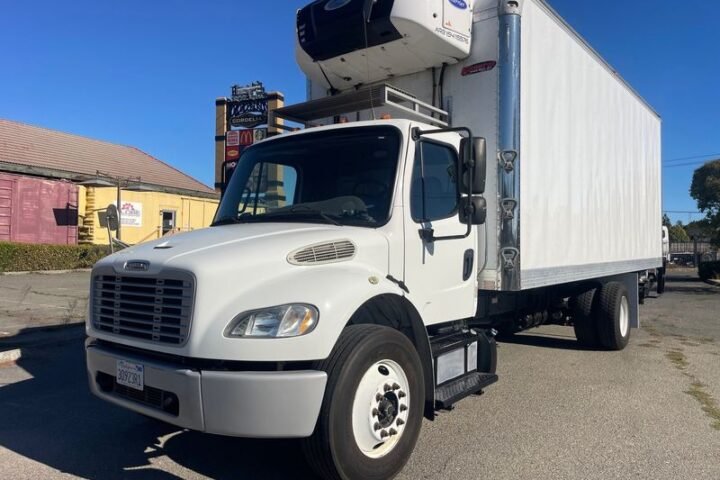
Reefer vs Dry Box: Choosing the Right Body for Your Business
Reefer truck or dry box? Compare purchase price, payload, maintenance, resale and running costs so you buy the body your…
Read more ›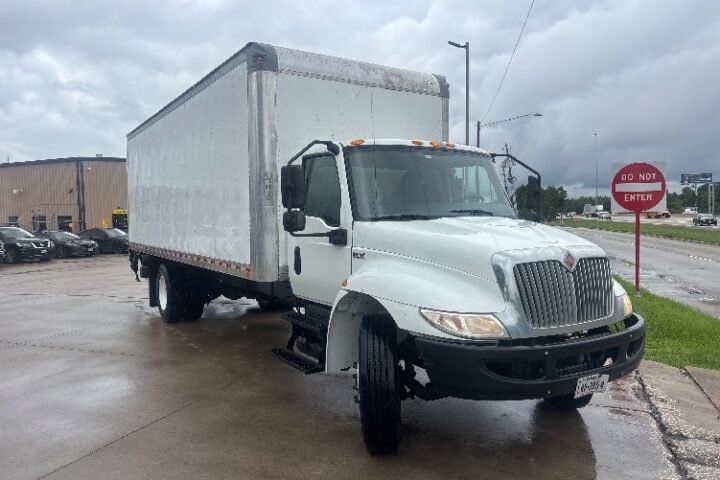
Box Truck Sizes Explained: 16, 20, 24 and 26 Foot Compared
Box truck sizes compared from 16 to 26 feet: cubic capacity, pallet counts, payload and the GVWR rules that decide…
Read more ›How to Buy a Used Box Truck: A Practical Inspection Checklist
Used box truck buying guide with a practical inspection checklist: frame, body, drivetrain, liftgate and the test drive that reveals…
Read more ›