
How to Buy a Used Box Truck: A Practical Inspection Checklist
Used box truck buying guide with a practical inspection checklist: frame, body, drivetrain, liftgate and the test drive that reveals hidden costs.
Buying a used box truck well comes down to two hours with a flashlight, a jack stand and a printed list, because the things that empty a bank account later are almost never the things that show up in the photos. A tidy paint job hides a cracked frame rail just as easily as it hides an honest workhorse. This checklist walks through what to look at, in what order, and what each finding should do to the price you are willing to pay.
Before You Drive Out to See a Used Box Truck
Do the paperwork homework first. Ask for the VIN and run a history report. Ask when the last federal annual inspection was performed and whether the report is on file. Ask what the truck did for a living, because a rental fleet unit, a bakery route truck and a construction supply truck wear out in completely different places.
- VIN, title status and lien position confirmed in writing.
- Odometer reading plus engine hours, which tell very different stories.
- Most recent annual inspection report and any recent repair invoices.
- GVWR from the door sticker, so you know the licensing class before you go.
- Whether the liftgate, reefer unit or e-track were factory or added later.
A seller who answers those five questions quickly is usually a seller worth driving to. Vague answers on a used box truck are not proof of a problem, but they do mean the inspection needs to be twice as thorough.
It also helps to know what a federal annual inspection actually covers. Reading through the FMCSA annual vehicle inspection report form before you go gives you a ready made list of the systems a qualified inspector signs off on, and a useful sense of what a passing report does and does not prove.
Frame, Body and Rust
Get underneath. Surface rust on frame rails is normal on any northern truck and is mostly cosmetic. Flaking, pitting, delamination and any crack or unauthorized weld near a cross member are different animals entirely. Federal rules on frame condition are strict, and a compromised rail is not an economic repair. Frame damage is the one finding that should end a used box truck deal on the spot.
Move to the body next. Open the roll door fully and look up at the roof translucent panel for water staining and daylight. Water intrusion rots the floor, and a rotten floor is a five figure fix on a truck that may only be worth mid five figures.
- Floor: probe soft spots near the rear sill and around the wheel wells.
- Roof and seams: staining, sealant repairs and any daylight showing through.
- Rear frame and bumper: impact damage from dock strikes is very common.
- Roll door: does it run smoothly, are the rollers and springs intact.
- Mounting: check the U bolts and body mounts that hold the box to the chassis.
Drivetrain Checks on a Used Box Truck
Start it cold if you possibly can. A cold start tells you about glow plugs, batteries, injectors and blow by in a way that a warmed up engine simply cannot. Watch the exhaust for the first thirty seconds and listen for knocking that fades as oil pressure builds.
Pull the dipstick and look at the oil. Check the coolant for oil contamination and the oil for coolant. On a used box truck with a diesel engine, ask when the fuel filters, water separator and any diesel particulate service were last done, and get it in writing rather than as a verbal reassurance.
- Cold start behavior, smoke color and idle quality.
- Transmission shifts under load, not just in the yard at walking pace.
- Brake feel, pedal travel and any pulling under a firm stop.
- Steering play, tie rod boots and kingpin wear on the front axle.
- Tire dates, tread depth and matched sizes across the drive axle.
- Air leaks if the truck is air braked, listened for with the engine off.
Liftgate, Electrics and Cab
A liftgate is often the single most expensive accessory on the truck, and a dead one turns a delivery vehicle into a warehouse ornament. Cycle it fully, loaded if the seller allows it. Listen for a labored pump, look for hydraulic weeping at the cylinders and check that the platform sits flat against the rear sill. A failed gate on an otherwise sound used box truck is still a four figure repair.
In the cab, test everything. Wipers, heater, air conditioning, mirrors, all exterior lights, backup alarm and any camera system. Electrical gremlins on a used box truck are tedious and costly to chase because the wiring runs the length of the body and back.
The Test Drive and the Numbers
Drive it loaded if you can, or at least drive it on a road where you can reach highway speed safely. An unloaded used box truck rides badly and hides suspension problems. Under load you will feel bushings, springs and driveline vibration much more honestly.
Then bring the price back to reality. Add up the deferred maintenance you found, subtract it from what you were willing to pay, and be prepared to walk. There is always another truck. Comparing several listings in the available inventory before you negotiate keeps your number anchored to the market rather than to one seller’s asking price.
Work out the total cost of ownership rather than the sticker. The real price of a used box truck lands across the first year, not on the day you pay: insurance, tires, an annual inspection, registration and a repair reserve. If you are spreading the purchase over time, read the financing details early, and remember that any lender applies its own approval criteria.
Frequently Asked Questions
What mileage is too high for a used box truck?
Maintenance history matters more than the odometer on a medium duty diesel. A well serviced 250,000 mile Isuzu or Hino can be a better buy than a neglected 90,000 mile unit. Ask for records, look at engine hours as well as miles, and judge the specific truck rather than the number.
Should I pay for an independent inspection?
Yes. A qualified commercial truck mechanic charges a small fraction of what a hidden engine or frame problem costs. Arrange your own inspector, at your own expense, and treat their report as the deciding voice on any used box truck you are serious about.
Is a former rental truck a bad idea?
Not automatically. Rental fleets service on schedule and retire units on a timetable, which is a real advantage. They also see inexperienced drivers, so inspect the body corners, the roll door and the rear frame carefully. More buying questions are answered in the frequently asked questions.
Looking for a truck?
Browse the current lot and send an enquiry on anything that fits. We will come back to you with availability, financing options and delivery.
Browse all trucksKeep reading
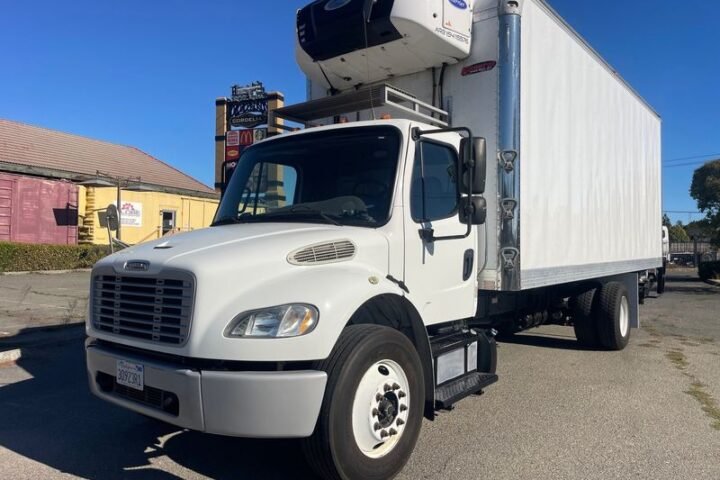
Reefer vs Dry Box: Choosing the Right Body for Your Business
Reefer truck or dry box? Compare purchase price, payload, maintenance, resale and running costs so you buy the body your…
Read more ›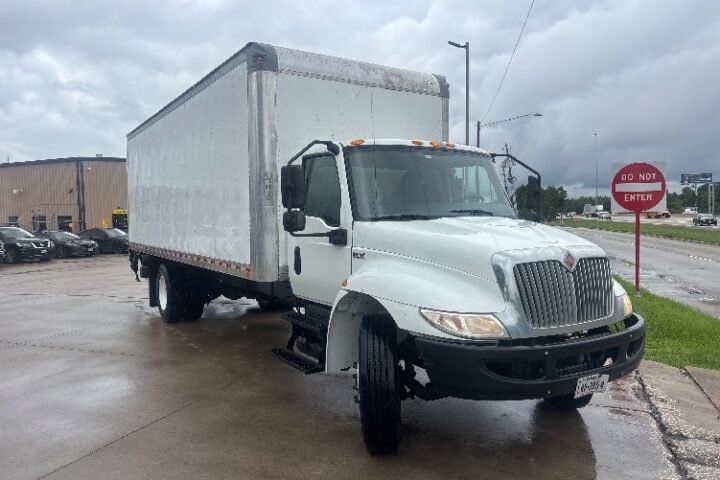
Box Truck Sizes Explained: 16, 20, 24 and 26 Foot Compared
Box truck sizes compared from 16 to 26 feet: cubic capacity, pallet counts, payload and the GVWR rules that decide…
Read more ›Non-CDL Box Trucks: What You Can Drive on a Regular License
Non CDL box truck rules explained simply: the 26,001 lb GVWR line, real chassis ratings, and the federal duties that…
Read more ›